Animal no longer available
Visit a different page:
CarlRescue Me ID: 25-06-09-00194
No longer available
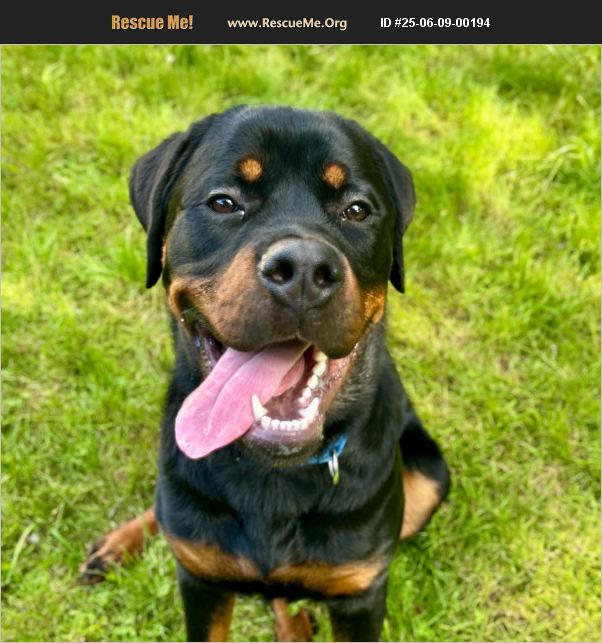



About Carl
In the Home Carl is a wonderful dog in the home. He listens incredibly well to boundaries and it only took one 'leave it' command when he wanted to put his mouth on anything he wasn't supposed to. He never tried to jump on the couch or the bed and learned very quickly where he was allowed to be and not be. I set a rule that he is not allowed in the bathroom. All it took was one 30 second training session for him to learn not to cross the line. It was truly incredible. He slept through the night with ease in his own bed next to mine. He had a few potty accidents at first, but those were my fault for not letting him out quick enough after eating. Carl was very easy to crate train. I would put a bit of peanut butter in a kong and toss it in the crate to get him in, and then when he was done with it, it took only a few minutes for him to fully relax and take a nap in the crate. One time after I opened the crate door to let him out, he stayed inside for another 5 minutes all on his own. He seemed very comfortable in there. On Walks Carl is also great on walks. He doesn't need to go very far before he gets tired and just wants to find a spot in the shade to lay down and watch the world go by. When laying in the shade by the sidewalk, he was excellent at staying in his spot as people walked right by. Even if he saw a dog across the street, he would just observe and not try to get up to get closer. We saw bunnies and squirrels, and he would stop to watch them, but never tried to go after them. Twice we were approached by off leash dogs and he did very well saying hello to them. This is a wonderful trait as he was the only dog on the leash and sometimes that can turn into frustration and reactivity, but he was polite in sniffing and greeting the dogs. He would try to bite the leash at the beginning of the walk, but treats worked well as a distraction. He would start biting the leash towards the end of the walks, but I learned quickly it was because he was overly tired and this was his way of dealing with his frustration. Once you find that sweet spot of a walk that's not too long or too short, it should really help decrease this behavior. He really seems to enjoy walks more for the mental stimulation than the physical exercise. Great for people who don't want to commit to longer walks. Play time Carl LOVES being chased with a toy in his mouth. In the house, we would do laps around the dining table at a trotting pace to help control his excitement levels. He doesn't play rough with his toys and really just wants you to hold it occasionally while he bites it or chase him. Outside play is somewhat similar, but controlling his excitement levels was a little more challenging. When he gets too excited, he will bite hands, arms, and legs. The bite is not intended to harm in any way and I never felt I was in danger. He just has a big and strong mouth. In these instances, I would remove myself from the situation and wait for him to calm down. Training Overall, Carl is a fairly easy dog to train. He responds well to commands like 'leave it/drop it' and 'out' if you want him to move from a place he shouldn't be. He knows 'sit' very well and even learned 'wait'. He is very food motivated and responds well to a more serious/dominant tone than asking him to do these things. The biggest challenge with Carl is his mouthing/jumping when he gets too excited. It is definitely something he can be trained out of with consistency and the right approach. What has worked best for us has been removing myself from the situation quietly and calmly or utilizing a tie-out cable attached to a tree (per a dog trainer's recommendation). With this method, I would attach him to the cable, leaving about 15 feet of room for him to move around. We would play in this area and when he got mouthy or jumpy, I would move out of range. He caught on pretty quickly that calm play meant attention, and using his mouth meant we stop. Carl is very eager to learn and please, making him ideal for training him into the dog anyone would want. Consistency and patience will be key for success, as with any dog. Constructive Summary: Areas for Improvement Leash Biting: Tends to bite the leash at the start or end of walks, often as a sign of overexcitement or fatigue. ��%BD��%BD��%BD Strategy: Use treats to redirect and monitor walk length to avoid overtiring him. Excitement-Driven Jumping/Mouthing: Carl may jump up or mouth hands, arms, or legs when over stimulated, especially during outdoor play. While not aggrthis behavior is important to manage. ��%BD��%BD��%BD Strategy: Calmly remove attention or physically distance yourself to help him reset. Consistent correction, tie-out training, and reinforcement of calm behavior are effective.
Multnomah County
Portland, Oregon
Compatibility
- Good with Most Dogs
- Good with Adults (Not Kids)
Personality
- Average Energy
- Submissive
Health
- Neutered
- Vaccinations Current


Facebook Share/Comments
We block people who post offensive messages. See a problem? REPORT NOW
Please ✔ check "Also post on Facebook" after typing a question or comment.